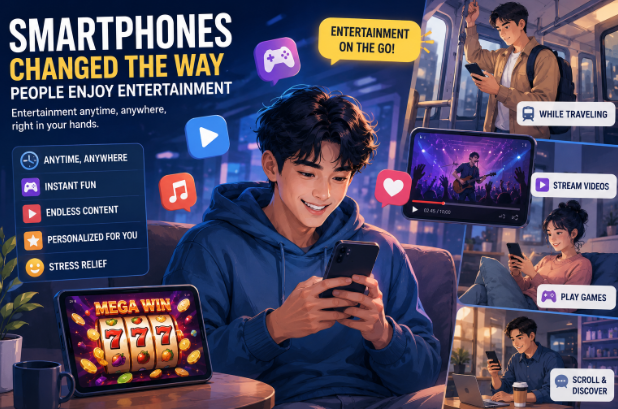

The way people enjoy entertainment today looks completely different compared to just a decade ago. Back then, most people waited until they got home to watch television, play games, or browse the internet on a computer. Now, almost everything happens directly from a smartphone. Because of this shift, many digital platforms including slot entertainment services continue adapting to faster mobile lifestyles and shorter user attention spans.
Smartphones changed entertainment by making everything feel instant. People no longer need to plan their free time around specific schedules. Instead, entertainment can happen anytime and anywhere. Whether someone waits for coffee, sits inside public transportation, or relaxes during a short work break, mobile devices make entertainment accessible within seconds.
This level of convenience changed user behavior massively. Modern audiences now expect fast access, smooth performance, and instant engagement from every digital platform they use. If something feels slow or complicated, users quickly move on to another app or website.
Entertainment Became Part of Everyday Life
One major difference between old entertainment habits and modern ones is frequency. In the past, entertainment usually happened during dedicated free time. Today, people consume entertainment continuously throughout the day.
Scrolling social media feeds while eating breakfast, watching short videos before sleeping, or opening mobile games during lunch breaks has become completely normal. Smartphones transformed entertainment into something casual and constantly available.
Because people interact with content more frequently, platforms compete harder for attention. Every app wants users to stay longer, return more often, and engage faster. This competition pushed developers to focus heavily on speed, accessibility, and user experience.
Modern audiences no longer want complicated systems or lengthy introductions. They prefer platforms that feel easy to understand from the very first interaction.
Short-Form Content Changed User Expectations
The rise of short-form content heavily influenced modern entertainment habits. Platforms built around quick videos and endless scrolling trained users to consume content rapidly.
People can now watch dozens of clips within minutes. As a result, attention spans shifted dramatically. Audiences became more selective about where they spend their time online.
This behavior also impacts gaming, streaming services, and other digital entertainment industries. Fast-loading content, visually appealing interfaces, and immediate interaction now matter more than ever.
Users expect entertainment to deliver excitement quickly. Long waiting times or overly complex experiences often struggle to keep people interested.
Mobile Gaming Continues Growing Rapidly
Mobile gaming became one of the biggest winners of the smartphone era. Unlike traditional gaming setups that require consoles or PCs, mobile games offer instant accessibility.
People enjoy the flexibility of playing whenever they want without needing long sessions. Some users only play for a few minutes at a time, while others spend longer periods exploring different experiences throughout the day.
This flexibility makes mobile entertainment feel more natural within modern lifestyles. Users can quickly switch between social media, messaging apps, videos, and games without interruption.
Developers understand this behavior very well. That is why many modern mobile platforms prioritize fast gameplay, responsive controls, and easy navigation.
Notifications Keep Users Constantly Engaged
Another reason smartphones changed entertainment so much involves notifications. Every day, people receive updates from social media apps, streaming platforms, games, and digital services.
These notifications constantly pull users back into online experiences. A simple alert can immediately trigger curiosity or encourage someone to open an app again.
This system creates a cycle where entertainment becomes deeply connected to everyday routines. Instead of searching for something to do, users often receive entertainment suggestions automatically.
Recommendations, personalized feeds, and trending content also play huge roles in keeping engagement levels high.
Convenience Matters More Than Ever
Modern users value convenience more than almost anything else. Entertainment platforms that remove friction usually perform better because they save users time and effort.
For example, people prefer apps that load instantly, remember their preferences, and work smoothly across different devices. Small improvements in speed and usability can make huge differences in user retention.
This explains why many companies invest heavily in mobile optimization. Slow websites or outdated interfaces can quickly frustrate users who are already accustomed to fast digital experiences.
Convenience also influences how people discover new content. Algorithms now recommend videos, music, games, and articles based on personal interests, making entertainment feel more customized than ever before.
Social Media and Entertainment Are Now Connected
Years ago, entertainment platforms and social media existed separately. Today, they are deeply connected.
People often discover movies, games, music, or trends directly through social media platforms. Viral clips and online discussions heavily influence what users decide to watch or play next.
This connection makes entertainment feel more interactive and community-driven. Users no longer just consume content passively. They share opinions, react instantly, and participate in online conversations surrounding digital entertainment.
Because trends move extremely fast online, platforms constantly update their features to stay relevant and maintain user attention.
The Future of Entertainment Will Be Even Faster
As smartphone technology continues improving, entertainment will likely become even more personalized and immediate.
Faster internet connections, better mobile processors, and smarter recommendation systems will continue shaping how people interact with digital content. Virtual reality, AI-powered recommendations, and interactive mobile experiences may also become more common in the near future.
One thing already feels clear: modern audiences want entertainment that fits naturally into busy lifestyles. They value speed, flexibility, and simplicity more than ever before.
Smartphones successfully changed entertainment because they removed barriers between users and content. Instead of waiting for entertainment, people now carry it in their pockets every single day.